Who Is Responsible for What? Clarifying Roles Between Architect, Engineer, Builder and Fabricator
When you’re planning a construction project in Auckland, understanding who is responsible for what can save time, cost and frustration. Architects, engineers, builders and fabricators each play a distinct role, yet the lines can sometimes appear blurred - especially for homeowners embarking on their first build. This guide explains how responsibilities are typically divided in New Zealand projects, where they overlap and how clear collaboration leads to better outcomes.
Whether you’re a commercial project manager or a homeowner investing in a high-quality architectural feature, knowing these roles helps you ask the right questions from the start.
In this post:
1. Why roles matter before you start building
Clear roles and responsibilities are not just a paperwork exercise in New Zealand’s building environment. They affect how smoothly your job runs, how compliant it is with the Building Code, and how your steelwork actually looks and performs once installed.
On most Auckland projects you will have at least an architect or designer, an engineer, a builder and a steel fabricator involved. When expectations between those parties are vague, details fall through the cracks, prices are hard to compare and the client is often left trying to coordinate technical conversations they should not need to manage.
2. The Architect - Design Vision and Coordination
In New Zealand, the architect (or architectural designer) is responsible for the overall building layout, aesthetics and how spaces work for the people using them. They translate your brief into plans that can be consented and built.
Core responsibilities:
Developing the overall design concept
Preparing architectural drawings and specifications
Coordinating with engineers and consultants
Ensuring compliance with the New Zealand Building Code
Assisting with council consent documentation
For homeowners, the architect is often your first professional contact. They translate ideas into buildable drawings. For commercial projects, they coordinate multiple disciplines to ensure the building performs as intended.
What the architect does not typically do is design structural steel components in detail - that responsibility sits with the structural engineer and, in some cases, the fabricator working to engineer-approved drawings.
3. The Structural Engineer - Structural Integrity and Compliance
The structural engineer is responsible for ensuring the building is safe, durable and meets relevant New Zealand standards and the Building Code. In simple terms, they make sure the bones of your project work.
Core responsibilities:
Designing structural systems
Calculating loads and structural performance
Specifying steel sizes, connections and fixings
Producing structural drawings and specifications
Ensuring compliance with seismic and wind requirements
Auckland’s seismic considerations, coastal corrosion zones and wind exposure ratings make structural design particularly important. The engineer determines what size beam is required, how connections are detailed and what compliance documentation must accompany the installation.
The engineer does not fabricate or install the steel. Their role is to design and verify - not to build.
4. The Builder - Construction Management and Delivery
The builder or main contractor is responsible for turning drawings into a finished building on your site. They coordinate trades, programme the work and manage site safety.
Core responsibilities:
Managing the construction site
Coordinating subcontractors
Scheduling works
Ensuring health and safety compliance
Installing structural and architectural components
The builder works from the architect’s and engineer’s drawings. They are responsible for ensuring the project is built according to consented documents and coordinating trades such as electricians, plumbers and steel installers.
In steel-related projects, the builder may engage the fabricator directly or work alongside them as part of the wider construction programme.
5. The Steel Fabricator - Precision Manufacture and Installation
The fabricator is responsible for taking the design intent from the architect and engineer and turning it into actual steel components that fit and perform on site. On high-spec Auckland homes and commercial fitouts, this is often where the difference in finish and accuracy really shows.
Core responsibilities:
Interpreting structural and architectural drawings
Producing detailed CAD shop drawings if required
Procuring materials to specification
Fabricating steel components
Applying finishes appropriate to NZ environments
Coordinating delivery and installation with the builder
In Auckland, coastal exposure zones influence material selection and protective coatings. Stainless steel grades, hot-dip galvanising and powder-coating systems must be chosen with longevity in mind. A professional fabricator like Fabrication Specialists understands these local environmental demands.
What a fabricator is not responsible for:
Redesigning structural elements without engineer approval
Obtaining building consent unless specifically engaged to do so
Managing unrelated trades on site
However, experienced fabricators often provide practical feedback early in the design phase. This can improve constructability, reduce unnecessary cost and streamline installation.
In some cases, a skilled architectural fabricator, such as Fabrication Specialists, can enhance the architect’s vision, particularly for bespoke elements such as interior steel doors, staircases and balustrades. With both technical expertise and design capability, they can refine details, suggest improvements and, where appropriate, take responsibility for designing the full component in alignment with the overall project intent.
6. Where Responsibilities Overlap
While each party has a defined role, successful projects recognise that there are overlaps and handover points. Problems typically arise not because someone is unwilling to do their job, but because it was unclear who was meant to own a particular detail.
Common areas where clarity is needed include:
Connection detailing: Engineers specify performance and key dimensions, while fabricators resolve practical detailing such as weld runs, stiffeners or access for bolts.
Tolerances and setting out: Architects provide reference levels and alignments, engineers set structural requirements and fabricators confirm what is physically achievable and how it will be installed.
Finishes and protection: Architects describe the visual outcome, engineers may specify durability requirements, and fabricators manage the actual coating processes and quality.
On higher-end Auckland projects, it is often worth allowing time for early coordination between engineer, architect, builder and fabricator before consent is finalised or fabrication starts. This is particularly true for custom doors, feature steelwork and tight retrofit work where millimetres matter.
7. Architectural Fabrication
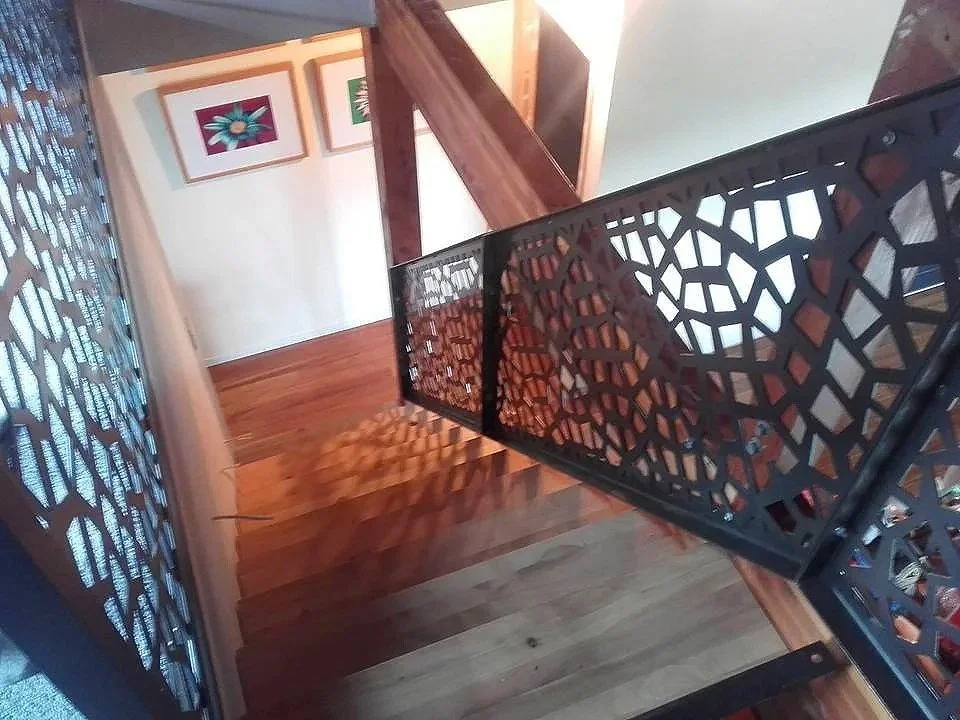
For the finer points of a build - the elements that people see, touch and interact with every day - standard fabrication is often not enough. Items such as stair stringers, balustrade systems and interior steel doors sit at the intersection of structure and design. They must meet engineering requirements while also delivering a refined architectural finish. This is where architectural fabrication becomes a specialised discipline. It requires a higher level of precision, consistency and attention to detail, particularly around weld quality, alignment, tolerances and finishing systems.
An architectural fabricator brings finesse to these components, working closely with architects, engineers and builders to ensure the final result aligns with the original design intent. At Fabrication Specialists, this means understanding not just how something is built, but how it will look and feel once installed. The difference is often subtle, but it is what elevates a project from functional to exceptional - especially in high-end residential and commercial environments across Auckland and the North Shore.
8. Common Misunderstandings in NZ Projects
“The fabricator will sort that out”
Fabricators work to approved drawings. Any structural changes require engineer sign-off. Assuming otherwise can create compliance risk.
“The builder checks the engineering”
Builders construct in accordance with drawings. They do not redesign structural systems.
“The cheapest steel quote is fine”
Steel is not a commodity when it comes to architectural or structural elements. Quality control, welding standards and finishing systems differ significantly between operators.
For discerning homeowners, selecting a fabricator is not simply about price. It is about capability, attention to detail and alignment with your project vision.
9. How Clear Role Definition Protects Quality
For commercial clients - architects, project managers and main contractors - clarity reduces liability exposure. Defined scopes ensure each party knows their deliverables and documentation requirements.
For residential clients, clarity provides confidence. When roles are understood:
Timelines are more realistic
Compliance documentation is complete
Installation runs smoothly
The finished result reflects the original design intent
In Auckland’s regulatory environment, producer statements, welding qualifications and material traceability may all be required. Understanding who supplies what documentation prevents last-minute stress at inspection stage.
10. Why Early Fabricator Involvement Can Add Value
While the fabricator is typically engaged after engineering is complete, early consultation can be beneficial.
Experienced steel specialists can:
Suggest alternative connection details that simplify installation
Identify cost-efficient material options
Flag potential access or lifting challenges
Provide realistic lead times based on current NZ supply conditions
This input is particularly valuable for bespoke residential projects where aesthetics and structural performance must align precisely.
11. How Fabrication Specialists Typically Fit Into Your Team
In Auckland we often join the project team once the concept and preliminary structural design are in place, but before final site measurements and fabrication begin. For some clients, particularly on detailed residential work, we are brought in even earlier to help sanity-check steel details against real-world installation constraints.
On most projects Fabrication Specialists will:
Review architectural and structural drawings for buildability from a steel perspective.
Highlight any clashes, impractical details or tolerance risks and suggest practical adjustments to the design team.
Take responsibility for accurate site measurement, shop drawing, fabrication, finishing and installation within our agreed scope.
Our focus is architectural and detailed steel rather than large-scale structural frames, which means we pay close attention to the visible elements that define the look and feel of a home or commercial space. That pride in the small details is what many of our Auckland clients are looking for when they choose a fabricator for a special project.
12. A Professional Partnership Approach
In high-quality projects across Auckland and the wider North Shore, the most successful outcomes come from professionals who respect each other’s roles.
Architect - design vision
Engineer - structural integrity
Builder - coordinated construction (see how we partner with Auckland builders)
Fabricator - precise execution
When each discipline operates within its scope while communicating openly, the result is efficient, compliant and visually refined.
For homeowners selecting a fabrication partner for the first time, understanding this ecosystem allows you to engage confidently and ask better questions. You are not simply commissioning steel. You are integrating a specialist trade into a coordinated professional team.
Well-defined roles protect the integrity of your investment and elevate the final result.