Planning Your Custom Fabrication Project: A Step-by-Step Guide for Homeowners and Small Developers
Planning a custom metal fabrication project takes more than great design - it’s about getting the details right from the start. Whether you’re creating a bespoke staircase, feature screen or architectural steelwork, good planning helps you save time, avoid rework and get the finish you imagined. This guide walks you through key stages of a fabrication project so you can move confidently from concept to completion.
1. Define Your Vision and Scope
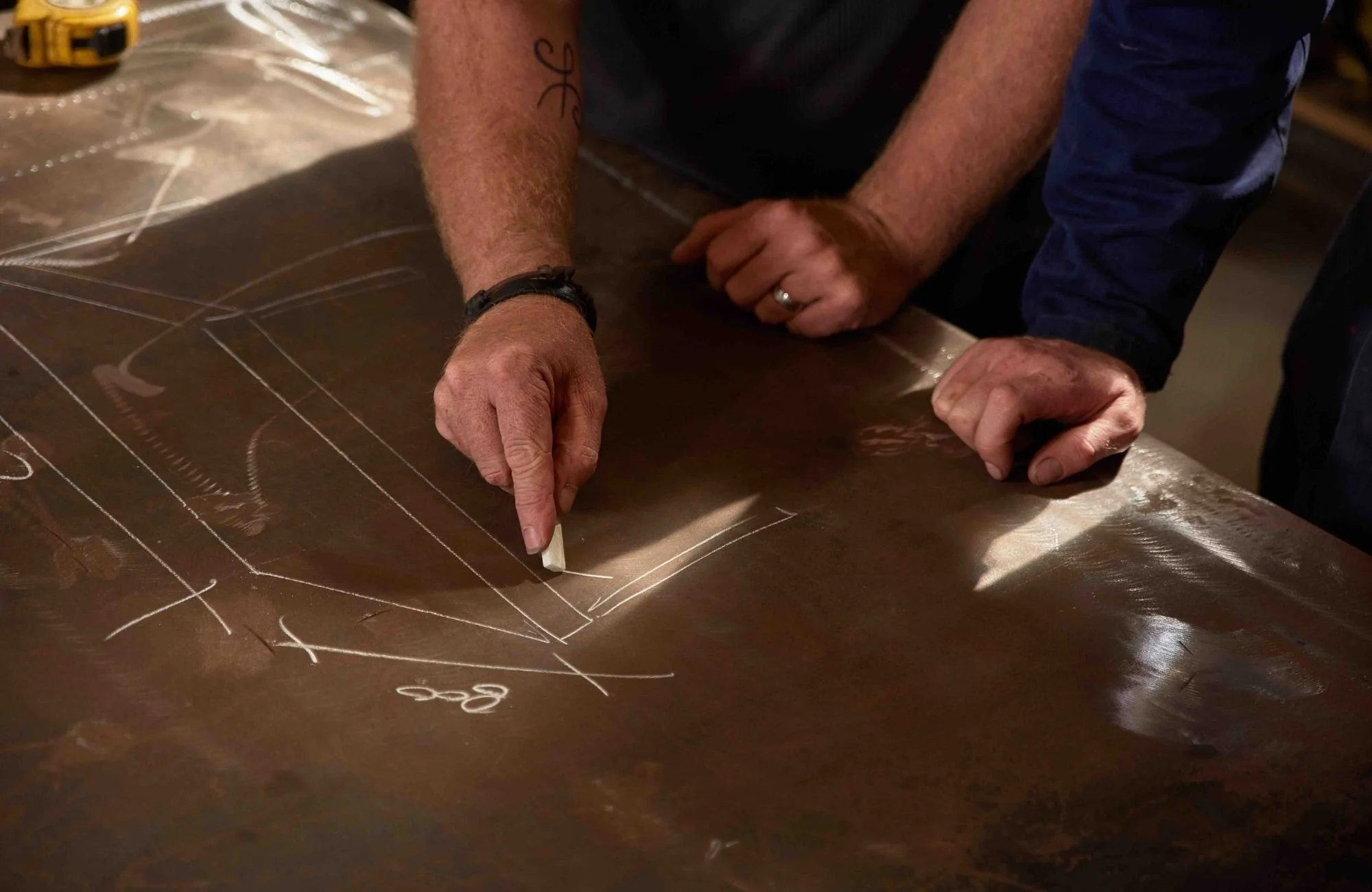
Start by identifying what you want your fabrication to achieve - functionally and aesthetically. Collect inspiration photos, note practical needs like strength or weight limits and consider the surrounding materials (timber, glass, concrete). A clear brief helps your fabricator translate your vision into a workable design and ensures accurate quoting from the start. Got a concept (even if AI-generated)? Read From Prompt to Reality and reach out - we’d love to talk turning visions into steel.
2. Choose the Right Materials
Steel, stainless, aluminium, brass or copper each offer unique benefits. Your material choice affects not only the look but also the durability and maintenance. For example, stainless steel suits coastal Auckland environments, while mild steel can be powder-coated for interior features. Discuss options with your fabricator to balance visual impact, performance and budget. See the materials we work with.
3. Collaborate Early with Your Fabricator
Involve your fabricator at the design or planning stage - not after the plans are finalised. Early input means potential challenges (like installation access or structural requirements) can be resolved before fabrication begins. At Fabrication Specialists, we often collaborate with architects, designers and builders to ensure smooth integration and clean detailing.
To better understand how the wider project team influences steel quality and cost, have a look at our article on the roles of architect, engineer, builder and fabricator.
4. Understand the Process and Timeline
A typical custom fabrication project moves through:
Concept → Design → Quote → Shop Drawings → Fabrication → Coating/Finishing → Installation.
Each stage takes time, and complexity can extend lead times. Allow flexibility - especially for bespoke work - and communicate your project deadlines early so scheduling can be managed. Here’s what to expect when you work with us.
5. Think About Finishing and Coating Options
The finish is what turns good fabrication into great craftsmanship. Popular options include powder coating, galvanising, patina finishes or brushed stainless. These not only define the final look but also protect your metalwork from wear and corrosion. Your environment (coastal, interior, exposed) will influence what’s best. See the finishes we work with.
6. Plan for Site Conditions and Installation
Before fabrication begins, confirm site measurements, access and fixing details. Good site planning prevents costly adjustments later. If your project is part of a wider build, coordinate with other trades to avoid installation conflicts - especially for staircases, balustrades and feature steelwork.
7. Budget with Quality in Mind
Custom fabrication is an investment in craftsmanship and longevity. While it may cost more than off-the-shelf options, the results are tailor-made for your space. Choose fabricators who focus on quality, detailing and finishing standards rather than just price - it pays off in performance and presentation.
8. Keep Communication Open
Strong communication between you, your designer, and your fabricator ensures everything stays aligned. Share updates, confirm any changes in writing and don’t hesitate to ask questions throughout the process. A collaborative approach always produces the best results.
Conclusion
Planning your custom fabrication project properly sets the stage for a seamless experience and a result that exceeds expectations. If you’re ready to turn your concept into crafted metalwork, our team would love to help.
Contact Fabrication Specialists today to discuss your project or request a quote.